Lactose never again? Is that even possible? What can you still eat then?
A change in diet is important when a lactose intolerance is detected, but not as bad as you do you might envisage. Here you will find tips about your everyday nutrition living with lactose intolerance.
- Low in lactose or lactose free: Become your own food expert
What is important is a diet which is as low as possible in lactose or rather a totally lactose free diet. Is it possible in our society? Don‘t worry- altough it is true that milk sugar is in many products, you will also see as time goes by that there are alos plenty of lactose free alternatives. And numerous lactose free recipes on various websites, blogs and in cook books. So you don‘t have to go without good food.
By the way: Everyone who is lactose intolerant has their own individual tolerance levels for milk sugar. Some people can‘t tolerate any milk sugar at all, others on the other hand can tolerate small amounts. You are sure to find out soon enough how much lactose you can tolerate or which products you are better off keeping away from.
- Lactase Compounds: The little daily saviour
Imagine the following scenario: When visiting a restaurant with a business partner and there isn‘t any trace of a lactose free meal. Or: Your mother has baked you a tasty chocolate cake for your birthday and you don‘t want to snub her at all. For moments like that- of which there are numerous in everyday life- a lactase compound can help you. They contain the naturally produced enzyme lactase, and so support the digestion of milk sugar and reduce a lot of your day to day stress with lactose. The scenarios from above can therefore be saved by this.
- „Lactose-free“-Products: Not always the best alternative
It sounds tempting: All milk products can also be found in the form of lactose free alternatives in the supermarket. In fact, the choice of products with the label “free from lactose“ is increasing. And that is surely something good. However you should consider the following: There are food products with the label “lactose free“, which contain hardly any milk sugar anyway. For example butter or grated cheese. A dedicated „lactose-free“ label often makes them unnecessarily expensive and is more representative of the turnover of the food industry.
- Nutrition with secondary lactose intolerance
With secondary lactose intolerance the health problem (for example Crohn‘s disease, irritable bowel syndrome) which triggered it must first be treated. As long as you nourish yourself lactose free, your bowels can be saved. Slowly then -after speaking to your doctor- you can again start to eat food products which contain lactose.
- Nutrition with congenital lactase deficiency
Quick action is neccessary here. The baby‘s dehydration and malnutrition has to be prevented. The child should have special lactose free baby milk and must be kept on a strict lactose free diet.
- Other useful tips
- Make sure you are consuming enough calcium. The body normally obtains this nutrient from milk products. Lots of fruits and vegetables contain enough calcium. Your doctor can also prescribe you additional calcium supplements.
- How about tasty alternatives to cows milk, for example Soya, almond or coconut milk?
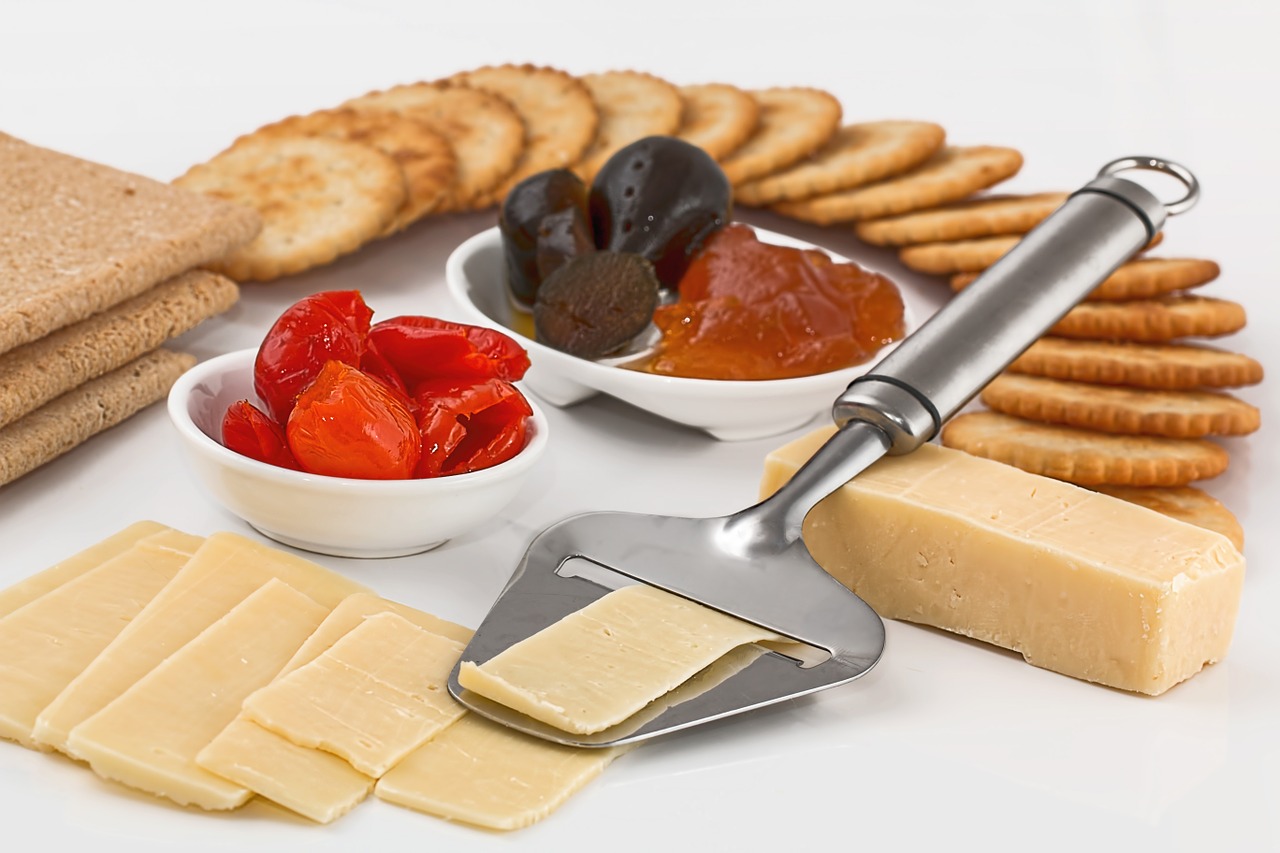
Some products containing lactose may be able to be consumed by a lactose intolerant, as they often contain less than 0.1g of lactose per 100g. That includes natural joghurts, and also mature ripened hard cheeses. Here also applies: Try it out. Not everyone can tolerate the same quantities.
0 comments on “Your food as a lactose intolerant”Add yours →